
Earphones, Headphones & Ear Problems
The use of earphones and headphones has become a regular daily occurrence for most of us, however with so much time spent wearing them, it’s natural to start to wonder how they may be affecting our ears.
From volume levels to cleaning, the way headphones and earphones are used can impact your overall ear health.
This guide will help you understand how earphones affect your ear health, and how to protect your ears in the long-term whilst using these devices.
However if you’re already experiencing blocked ears, a feeling of fullness, or reduced hearing - our microsuction service may be the ideal solution for you!
Can earphones and headphones cause ear wax issues?
A common myth surrounding the use of earphones and headphones is that using these devices can lead to your ears producing more earwax, thus leading to earwax related issues.
However, there is no direct evidence that this is the case. Earwax usually migrates out of the ear canal naturally, problems related to earwax generally arise when something is blocking the natural movement of wax or pushing the wax deeper into the canal.
Excessive use of earphones or headphones can trap wax that was already migrating outward, which could make it appear that they caused the extra wax, but they do not stimulate wax production.
If you suspect that earphones are causing issues with your earwax you may want to investigate other potential causes, proven factors that can affect earwax production and blockage include…
Narrow ear canals
Eczema/skin conditions
You can find out more about these issues and what causes earwax build up here.
Am I listening to my music too loud?
Listening volume plays a huge role in long-term ear health, and listening at excessive volumes can cause a multitude of hearing related issues.
Listening to loud noises can permanently damage tiny hair cells inside the inner ear (responsible for converting sound signals into electrical signals for the brain to interpret as sound), leading to Tinnitus, Hyperacusis (sound sensitivity) and noise-induced hearing loss, amongst other conditions.
The NHS highlights that sounds over 85dB can be harmful with repeated or prolonged exposure. Additionally, workplace safety regulations and guidance from HSEdemonstrate how quickly the risk of hearing issues increases when exposed to loud noises: for example, at 85dB safe exposure would be no longer than 8 hours, however every increase of 3dB in volume halves that time, with 88dB being safe for only 4 hours, and 91dB for 2 hours, and so on.
What ear health issues can headphones and ear phones cause?
Headphones and earphones don’t directly cause earwax problems, however long-term and improper use of these devices can affect your ear health.
The risks do not stem from the use of the device themselves, so much as to how they’re used: high volume, long listening sessions, poor hygiene, and tightly fitting designs, all of which can contribute to problems over time.
Below we will cover some of the most common ear-health related issues that can arise from improper use of headphones and earphones.
Tinnitus
Tinnitus is the perception of sound when no external noise is present and is characterised by sufferers hearing buzzing, hissing, humming, high pitched, roaring or whistling sounds.
According to the Tinnitus UK the condition affects one in eight adults in the UK. Tinnitus can be temporary, especially after exposure to loud sounds, but repeated or prolonged exposure can result in the condition becoming permanent. Listening to audio at high volumes through headphones/earphones can overstimulate tiny hair cells in the inner ear. Once these cells become damaged they can send irregular signals to the brain, leading to the perception of phantom sounds (hissing, buzzing, roaring, etc) . Loud noise exposure is one of the most common triggers of tinnitus.
Noise-induced hearing loss (NIHL)
Noise-induced hearing loss occurs due to prolonged or repeated exposure to loud noises damaging the tiny hair cells in the inner ear. Once damaged, these cells do not regenerate, meaning that any hearing loss occurring due to damage of the cells becomes permanent.
Symptoms of noise-induced hearing loss often begin subtly, such as difficulty hearing conversations in noisy environments, or having to increase volume on the TVor radio in order to hear more clearly.
As previously mentioned, prolonged exposure to sound over 85 dB can significantly impair your hearing, and with many headphones maximum volume exceeding this level (in some cases up to 112dB), it can quickly push your hearing health into the danger zone where even short listening sessions can contribute to long-term damage.
Ear Infections
The use of headphones and earphones can contribute to ear infections, they do so by creating a warm, enclosed environment that can trap moisture inside the ear canal which allows bacteria and yeast to grow more easily.
When earphones and headphones are not cleaned regularly, or thoroughly, they can transfer bacteria from hands, surfaces, pockets, etc, into the ear canal. Additionally, the repeated insertion of headphones and earphones (especially those with ill-fitting tips), can cause tiny abrasions inside the ear canal, making the skin more susceptible to infection.
Often, individuals may share headphones or use them during workouts, this again can increase the risk of ear infections, by introducing unfamiliar microbes into the ear, or sweat from workouts further increasing moisture within the ear.
Hyperacusis
Hyperacusis is a hearing condition in which everyday sounds feel uncomfortably loud, sometimes painfully loud, due to a heightened sensitivity within the auditory system.
Hyperacusis can develop from headphone use when used at high volumes or for long periods of time. The constant sound exposure can make the auditory system overly sensitive and less able to tolerate normal everyday sounds.
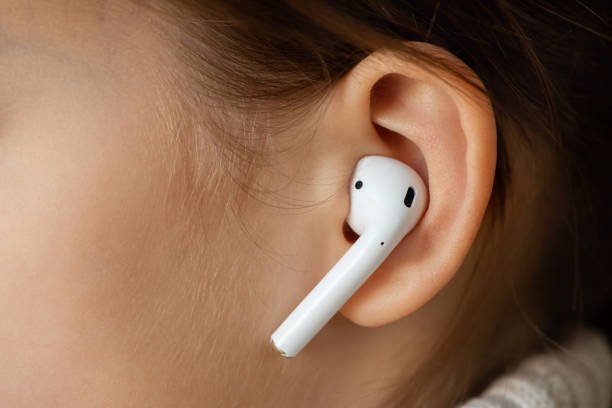
When the ears are repeatedly made to process loud audio, the tiny hair cells and neural pathways involved in hearing can become irritated. In ear headphones (such as airpods, wireless earphones etc) deliver sound directly into the ear canal which reduces natural sound dispersion and increases the intensity of sound in the inner ear.
Over time the combination of prolonged exposure and exposure to loud noise can result in an auditory overload.
Pressure and Discomfort
The use of earphones can sometimes result in pressure and discomfort. The repeated insertion of earphones into the ear canal can result in friction leading to feelings of soreness or irritation.
Additionally, the overuse of in-ear earphones may start to interfere with the ear’s natural cleaning methods. Earwax migrates out of the ear canal, when using earphones this path becomes blocked and may lead to a blockage impaction (blockage) of earwax.
Impacted earwax creates a feeling of fullness inside the ear, pressure, and can lead to muffled or distorted hearing.
How can I protect my ears with headphone usage?
To protect your hearing health and ears while using headphones and earphones the focus should centre around managing volume, limiting exposure, and keeping your devices clean.
Small daily habits can make a big difference to reduce the risks of developing noise-induced hearing loss, ear infections, Hyperacusis and tinnitus. Below are some tips on how to protect your ears while using earphones and headphones.
Keep volume below 60% or below 85dB to reduce the risk of tinnitus and Noise-induced hearing loss. If you are struggling to hear conversations whilst playing audio through your earphones this is a sign your volume may be too loud. Many smartphones now provide warnings when your volume is too loud, paying attention to these warnings can protect your hearing health.
Taking regular breaks from using your earphones gives your auditory system a break, and can reduce any moisture build up inside the ear.
Contact your GP or local hearing service if you have noticed any sound sensitivity or hearing loss. Identifying issues early can prevent any further degradation in hearing quality.
Investing in earphones or headphones with a noise cancelling feature will reduce background noise, meaning you will not have to increase volume to cancel out any environmental sounds.
Cleaning your earphones regularly will prevent bacteria building up and reduce the risk of ear infections.
Washing your hands before inserting your earphones and avoiding sharing earphones will reduce the risk of bacteria being transferred into your ear canal.
Choosing well‑fitting in-ear devices or opting for over the ear headphones can minimise pressure, friction, and trapped moisture.
Letting your ears dry after workouts or showers before inserting earphones can help to avoid moisture‑related infections.
Limiting your daily headphone use when possible will reduce sound exposure.
In summary…
Earphones and headphones are generally safe to use and don’t affect how much earwax your ears produce. However, they can contribute to issues such as wax buildup if they’re used excessively, played at high volumes, or not kept clean.
If you’re dealing with earwax‑related symptoms and have already tried improving your listening habits and hygiene, it may be worth considering other underlying causes. When earphones are used safely but you still experience blocked ears, fullness, reduced hearing, or discomfort, earwax could be the culprit.
Earview provides safe, professional microsuction, regarded as the safest and most effective method for removing earwax and restoring hearing clarity.
Get in touch with us today to book your appointment.