

Impacted Ear Wax - A Guide
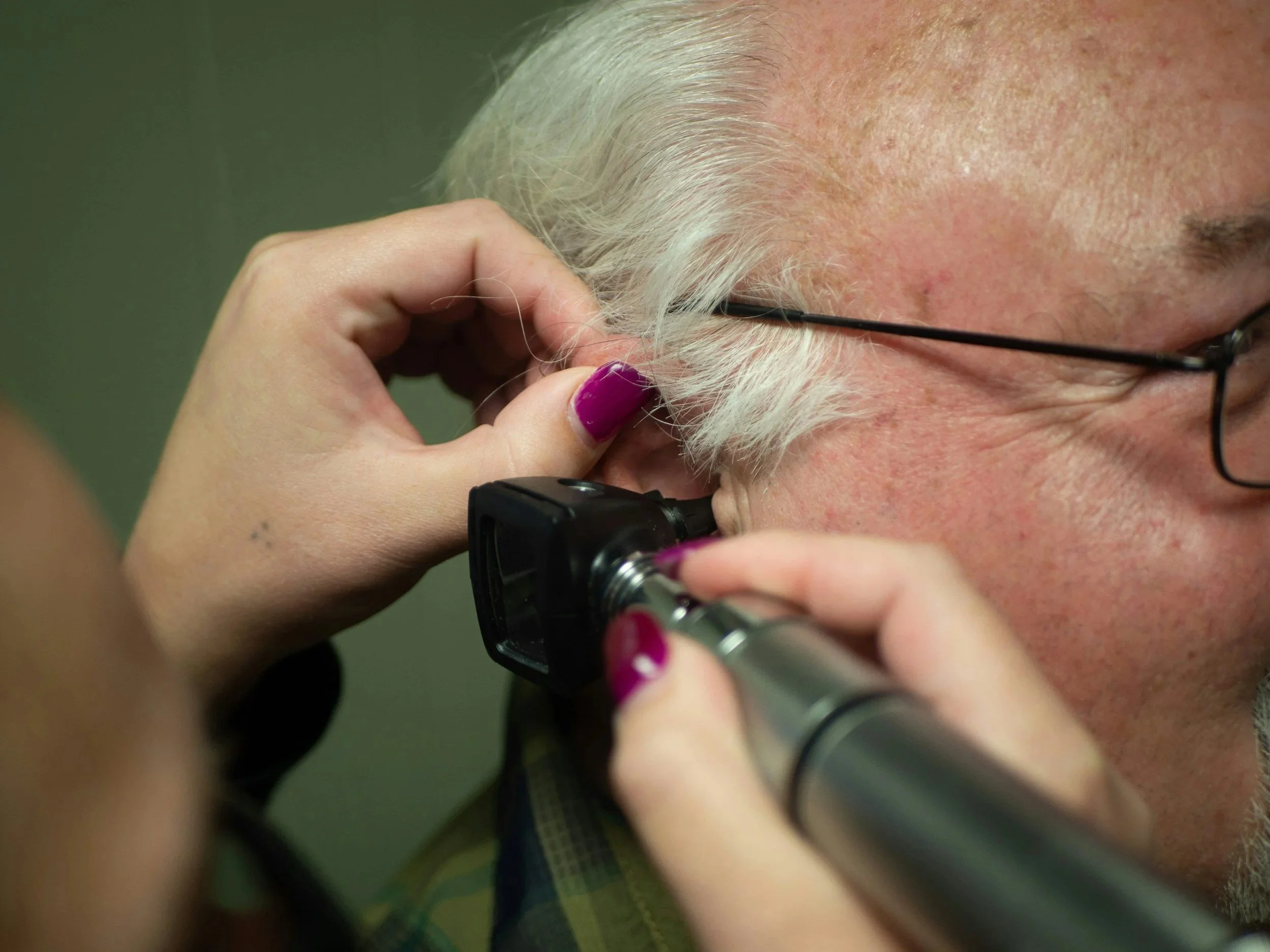
A build up of earwax in the ear is extremely common. The British Academy of Audiology reports an estimated 2.3 million people each year in the UK require professional earwax removal services.
This guide is for anyone experiencing blocked ears, reduced hearing, or discomfort due to earwax related issues.
We will cover what impacted earwax is, what it looks like, and how to treat it safely. If you’re struggling with symptoms now, consider booking a microsuction appointment with Ear View for fast relief from your symptoms.
What is Impacted Ear Wax (IEW)?
Earwax (cerumen) is produced by glands in the outer ear canal to protect the eardrum, it does so by repelling water, trapping debris to prevent infection, and assisting with moisturising the inner ear to prevent dryness.
The ear canal naturally expels earwax from the ear when skin cells migrate outwards carrying the wax with them.
If this process is disrupted, earwax can build up quickly in the ear and create a blockage.
There are many factors that can interrupt the ear's natural cleaning process and lead to an overproduction of earwax, such as:
inflammation
having narrower ear canals
autoimmune disease (e.g. diabetes)
the use of hearing aids.
What are the signs and symptoms of IEW?
The symptoms of impacted earwax develop gradually, with symptoms becoming more noticeable over time.
The most common symptoms of impacted earwax is hearing loss/muffled hearing. A RNID (Royal National Institute of the Deaf) study from 2022 showed that out of 1491 people with impacted earwax 73% of those experienced hearing loss or muffled hearing.
A further 37% of those studied experienced tinnitus (a ringing or buzzing in the ears).
Other common symptoms of an earwax blockage include earache, a feeling of fullness in the ear, and itchiness in the ear.
Some individuals with impacted earwax also report symptoms of vertigo (a sensation that you are or your surroundings are spinning), ear infections (as a result of the blockage), and odour/discharge if an ear infection is present. However, these symptoms are less common.
What does IEW look like?
Impacted earwax can vary in appearance, it can be light yellow or orange if it is fresh, with a flaky and crumbly, or smooth and sticky consistency, or it can be dark brown/black and hard and dry if it has been in the ear canal for a long time.
You can find out more about what the colour of your earwax means in our dedicated blog “What colour should my earwax be?”.
How do I get rid of IEW?
Earwax removal services are no longer offered as standard on the NHS. So, if you are looking to treat impacted earwax there are two available routes: professional ear cleaning, and home softening methods. Below we will discuss the best methods for treating your earwax blockage.
Microsuction (professional removal)
Microsuction is widely regarded as the safest and most effective method for removing impacted wax by specialists. A small suction device is used to remove wax quickly and safely. This painless procedure often provides instant results, with service users reporting immediate relief from symptoms of impacted wax. As this method does not use any water, it is suitable for those with perforated eardrums and chronic ear conditions.
Ear View are one of the leading service providers for Microsuction in Suffolk and surrounding areas, if you are experiencing any symptoms of earwax blockage get in touch with us today for instant relief from your symptoms.
Olive oil drops (home method)
Using olive oil is a commonly recommended method for the softening impacted earwax.
Applying a few drops of warm (not hot) olive oil can gradually loosen wax over several days.
This method is often used before professional removal (irrigation). The use of olive oil is generally safe for most people provided they do not have an ear infection or perforated eardrum.
Saline solution
Much like olive oil, saline solution is another method to aid in the softening of impacted earwax.
A few drops of sterile saline solution in the ear can loosen wax by drawing moisture into it, eventually making it easier for the ear to clear the wax naturally.
Saline solution treatment is often recommended before professional removal using irrigation as it softens the earwax making it more comfortable when being extracted.
Saline solution should be avoided if you have a perforated eardrum or active ear infection.
Methods to avoid
Cotton Buds
You should never insert cotton buds into the ear canal. Cotton buds, (and anything else inserted into the ear) tends to push wax deeper into the ear canal rather than remove it and increases the risk of impaction.
They can also scratch the skin inside the ear canal, and in some cases perforate the eardrum when inserted too far.
You can read more about the dangers of cotton bud use in our dedicated blog “The risks of using cotton buds in your ears (and safer alternatives)”.
Ear candles
There is no scientific evidence to suggest that ear candles remove wax.
The risks posed by the use of ear candles outweigh any possible benefit, risks include burns, wax dripping into the ear, and damage to the ear canal and eardrum.
Many professionals deem ear candles as an unsafe and ineffective way to tackle earwax build-up.
Home suction devices & ear camera kits
Home suction devices and ear camera kits are generally not recommended for home ear cleaning as they rarely provide controlled suction, and, much like cotton buds, improper use can push wax deeper inside the ear canal.
The use of these kits poses a risk to the ear canal and eardrum, as individuals using these devices can insert the device too far and risk damaging their ear canal and eardrums.
How do I avoid IEW occurring?
The production of earwax is a natural occurrence, and you cannot prevent your ears from producing wax. However, there are many ways you can reduce the risk of earwax impaction.
Softening drops
The occasional use of softening drops, such as olive oil and saline solution, can soften wax and can help move earwax out of the canal naturally if you are prone to build-ups.
Avoid using cotton buds
Cotton buds push wax deeper inside the ear canal leading to impaction. Opt for professional cleaning or softening methods.
Keep your ears dry
Keeping your ears dry, but gently drying them after bathing or swimming, can prevent wax swelling. When earwax can absorb the water, causing it to swell and create a blockage.
Limit hearing-aid wear when possible
Hearing aid devices can trap wax and block the natural migration of earwax out of the ear.
Avoid inserting anything into the ear canal
Avoid inserting anything into your ear canal, such as ear cameras or home suction devices. Insertion of objects into the ear can push wax deeper into the ear canal and create a blockage.
Regular check-ups
If you are regularly producing excess wax or are prone to build-ups having periodic microsuction can prevent blockages before symptoms occur.
In Summary…
Impacted earwax can affect anyone at any point in their life. There are ways to manage earwax build-up, but when earwax becomes impacted, removal at home can be tricky and in some cases not possible.
If you’re noticing symptoms of muffled hearing, hearing loss, a feeling of fullness, or any other symptoms we’ve covered in this guide contact us today. Ear View offers a safe and professional microsuction service for painless and precise earwax removal.
Our earwax removal specialist can clear the blockage quickly, giving you instant relief and restoring comfort. Don’t continue to struggle with the symptoms of impacted earwax - contact us to find out how microsuction can help you.