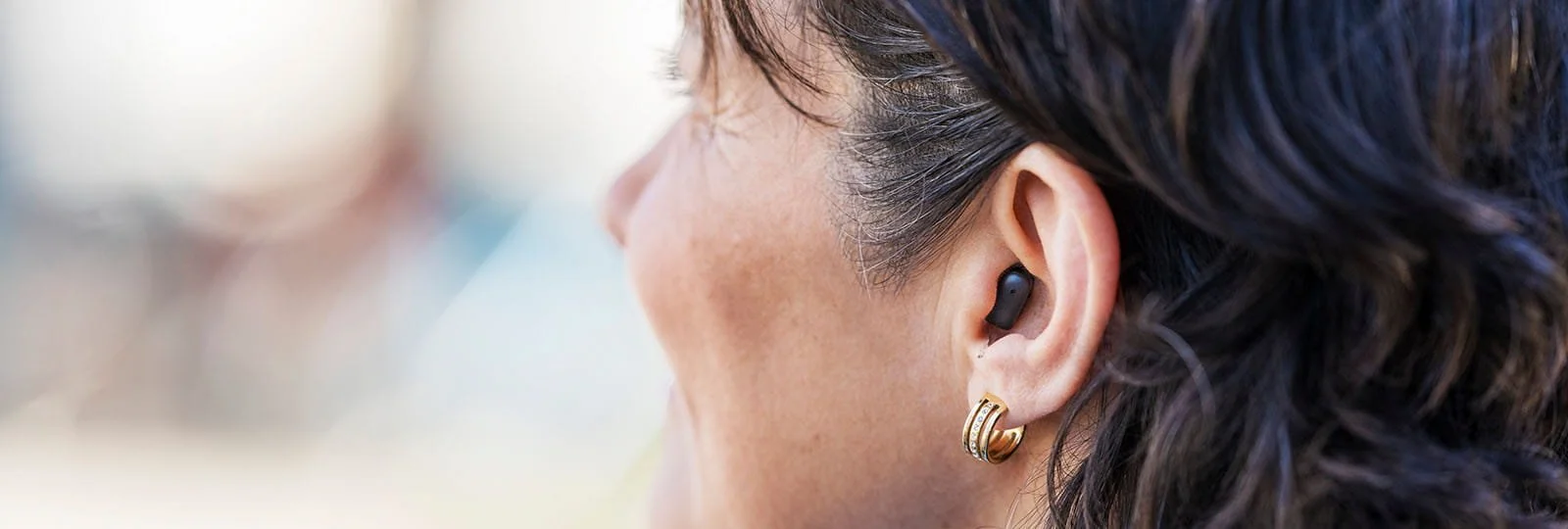
Hearing Aid Assessments & Fitting
An independent and expert hearing aid fitting service designed to restore your hearing without the long waiting lists.
We provide comprehensive hearing tests, gold standard hearing aid fittings and ongoing care completely tailored to your needs and fitting your lifestyle.
As a local provider, we put your care at the forefront of everything we do, operating with transparent pricing and giving objective advice.
If you are struggling to follow conversations, experiencing symptoms of hearing loss, or are looking to upgrade your current devices, Ear View is here to help.
Proud partners of Rexton
High quality & affordable hearing aids
Since 1955, Rexton has been a global leader in hearing care, centred around one mission: to deliver high quality hearing technology in the most reliable way possible.
Much like Ear View, Rexton understands that your hearing is essential for staying safe, connecting our loved ones, and throughout our day to day lives.
The current Rexton RIC range is specifically built for everyday life. Rexton engineers using a “lifeproof” design philosophy, each device design is rigorously tested to withstand the harshest elements of daily life, from accidental drops, dust, and unpredictable weather.

-
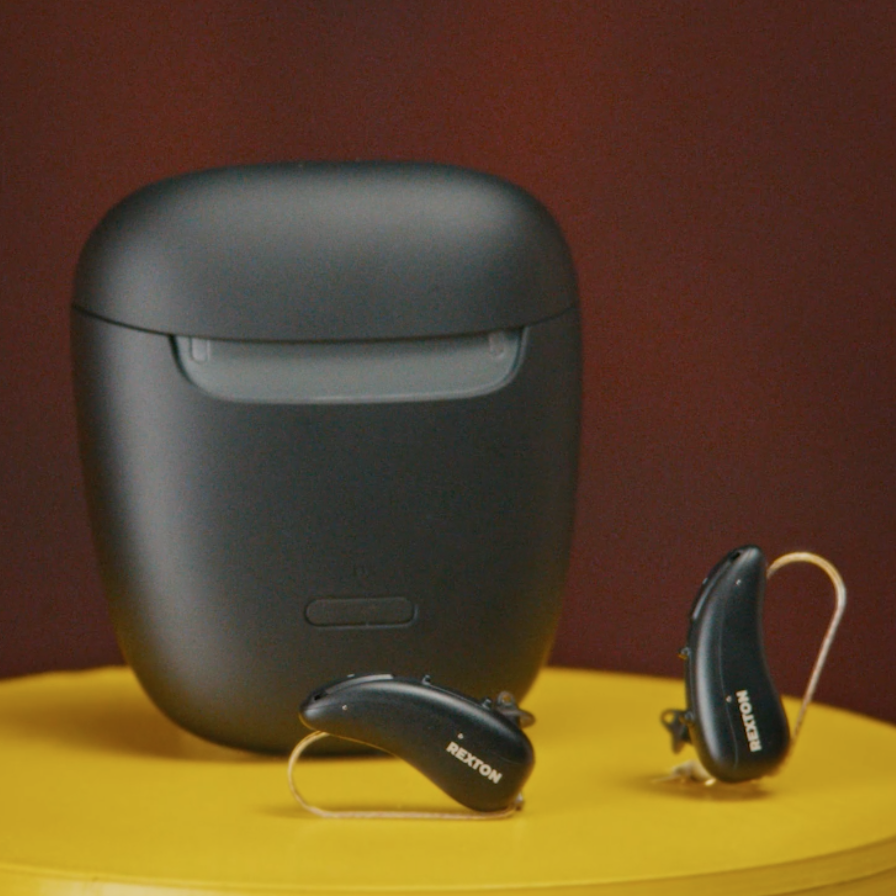
Rechargeable batteries
From one overnight single charge users can get a full day’s use from their hearing aids.
-
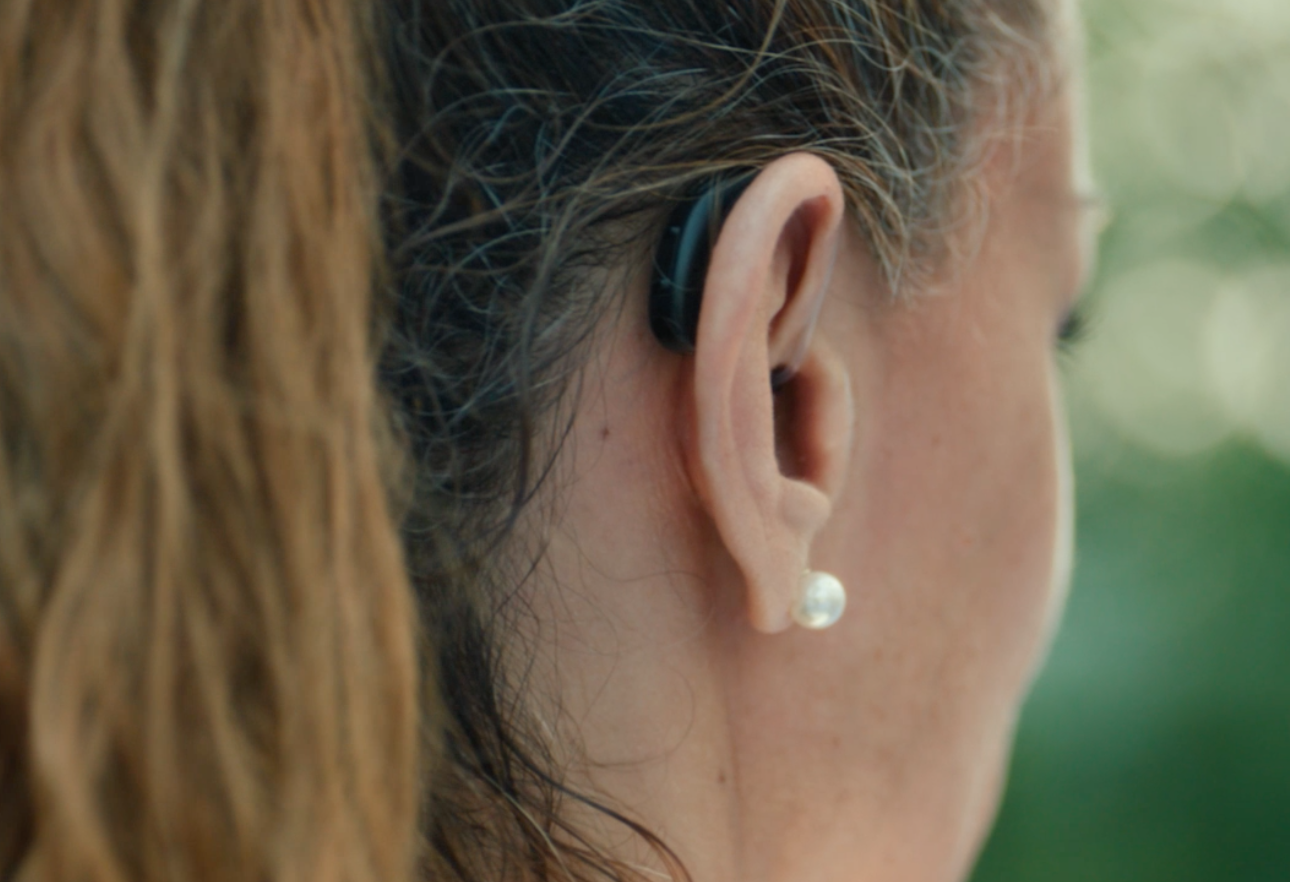
Automatic adjustments as you move between quiet and noisy
SoundPro Technology adjusts your hearing settings as you move between environments. In quiet spaces, the devices will prioritise soft speech frequencies, and in louder environments they instantly enable Multi-Voice Focus. This system scans surroundings using directional microphones to lock onto human voices and suppress background sounds.
-

Discrete design
Rexton RIC devices are made with a slim profile, ultra thin connecting wires, and have a smart colour matching design.
-
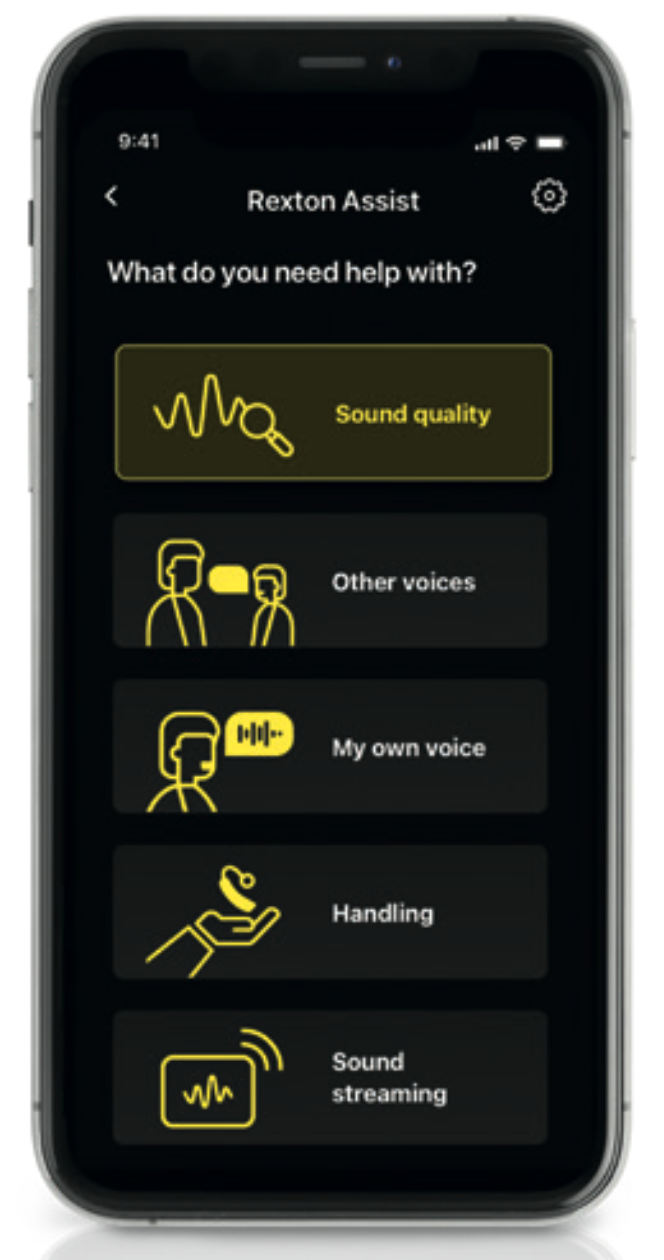
Smartphone App control & Bluetooth Streaming
Instead of altering settings using buttons on your device in your ear, you can adjust your volume, change programmes, or direct stream calls using the Rexton App on your mobile, available for both Iphone and most android phones),

How do I get my hearing aids fitted with Ear View?
Hearing aid fittings with Ear View are a straightforward and easy process, once we have ran tests to analyse your hearing needs.
Hearing tests are available at the below selected locations from our clinic list.
Choose the clinic nearest to you, book a day and time that are most suitable, and we’ll send you a confirmation of your appointment via text or email.
Where can I get my hearing aids?





You can access our hearing aid fitting services at one of our above locations across Suffolk.
How do I know if I need hearing aids?
To determine whether you can benefit from hearing aids a hearing assessment needs to be done. This can show you which pitches or frequencies your ears are struggling to hear. However, there are signs and symptoms that indicate you may benefit from having hearing aids fitted, these signs are:
Ringing in the ears (Tinnitus)
If you hear a ringing, buzzing, whistling, roaring, or hissing sound with no external source present this can be a sign of underlying hearing damage.
Ringing in the ears can be either permanent or temporary. Permanent Tinnitus is often a side effect of hearing loss, as your brain tries to patch the frequencies it’s missing with static sound.
Whilst chronic tinnitus tends to always be present in some form, treating the underlying condition with hearing aids can help relieve symptoms.
Difficulty following conversations or mishearing words
If you find yourself struggling to keep up with conversations in a group setting, mishearing words, or frequently asking people to repeat themselves, you may be experiencing early signs of hearing loss.
When speech sounds muffled or unclear, this often points to high frequency hearing loss. Hearing aids amplify the frequencies that you’ve lost or are starting to lose to make them audible to your ears and brain again.
Increased volume on electronic devices (Phone, TV, Radio)
If when visiting your home your family and friends often comment on the volume of your devices, or state it is louder than they would prefer, you may have a need for hearing aids.
Turning up electronic devices louder than usual is one of the most common indicators that hearing loss is developing.
Struggling in noisy environments
If you struggle to hear or understand speech in noisy environments, like restaurants, train stations, or busy family gatherings, then it may suggest your ears are losing the ability to separate voice frequencies from ambient sound.
Social withdrawal or exhaustion
If you’ve noticed you, or somebody you know, has begun avoiding social gatherings or feeling drained after social events due to listening requiring a lot of effort, this highlights that your hearing loss or impairment is starting to significantly impact quality of life.
Trouble hearing high-pitched sounds
High pitched sounds, such as children’s voices, bird noises, or doorbells, are often the first sounds to fade when hearing loss develops.
Our Hearing Aids Fitting Process…
The hearing aid fitting process starts with a hearing test. Our hearing tests are available in clinic or at home, and the industry standard, pure tone audiometry testing to pinpoint which pitches or frequencies you may be struggling to hear.1
After the hearing test, we will walk you through the findings. You will receive your test results immediately, and we can discuss your next steps.2
Assessing your results
At Ear View, we offer our private prescription patients Rexton hearing aids, and will discuss with you which level would be your best fit.3
Choosing a path
Once you’ve decided with support from our team on which hearing aids are suited to you, WE will start the fitting by inserting the hearing aids to evaluate how they sit either in, or behind your ears. Long term success with hearing aids relies heavily on comfort, so we will check that they are secure, do not slip, and cause no discomfort.4
Setup & fine-tuning
The hearing aids are then connected to a computer and your audiogram from your hearing test is uploaded. Each individual hearing profile is unique, and the software we use will use your specific test data to establish a safe and appropriate baseline for the hearing aids. The hearing aids are then fine-tuned to your own voice, to ensure that everyday sounds feel natural.

Further tests during the fitting include feedback suppression calibration (a test to look for potential sound leakage, to avoid the device emitting any undesirable noises when undertaking activities such as chewing).
5
Fitting your hearing aids
You will then be shown how to safely insert, remove, clean, and charge your hearing aids for future use. after you have worn your hearing aids for a short period of time day to day, our audiologist will follow up with you to see if any adjustments are needed.6
Instructions & follow-up
The hearing aid fitting process starts with a hearing test
Our hearing tests are available in clinic and are industry quality - pure tone audiometry testing to pinpoint which pitches or frequencies you may be struggling to hear.
-
we will walk you through the findings. You will receive your test results immediately, and we can discuss your next steps. This conversation centres around if you have a need for hearing aids, and if so your options if you go with the NHS or choose to get your prescription privately. At Earview, we offer our private prescription patients Rexton hearing aids, and will discuss with you which level would be your best fit.
-
from our team on which hearing aids are suited to you, our audiologist and hearing aid specialist, Jason Curtis will fit them by inserting the hearing aids to evaluate how they sit either in, or behind your ears. Long term success with hearing aids relies heavily on comfort, so we will check that they are secure, do not slip, and cause no discomfort.
-
and your audiogram from your hearing test is uploaded. Each individual hearing profile is unique, and the software we use will use your specific test data to establish a safe and appropriate baseline for the hearing aids. The hearing aids are then fine-tuned to your own voice, to ensure that everyday sounds feel natural.
-
include feedback suppression calibration (a test to look for potential sound leakage, to avoid the device emitting any undesirable noises when undertaking activities such as chewing). You will then be shown how to safely insert, remove, clean, and charge your hearing aids.
-
for a short period of time day to day, our audiologist will follow up with you to see if any adjustments are needed.
What conditions can hearing aids help with?
Hearing aids are able to assist with a variety of hearing impairment, hearing loss and secondary lifestyle symptoms.
We’ve listed below some of the issues hearing aids can help with.
Presbycusis, commonly known as age related hearing loss, is the progressive decline in hearing clarity experienced as we age.
It is a natural process in which high frequency consonant clarity tends to erode over time. Hearing aids can target the higher frequencies and help restore hearing for older patients.
Presbycusis (age-related hearing loss)Noise induced hearing loss (NIHL) is the result of acoustic trauma, often affecting those that work in loud environments, or exposure to consistent loud noises recreationally. Hearing aids can help those affected by NIHL.
Unlike hearing loss stemming from general ageing, noise trauma destroys sensory hair cells in specific bands of the inner ear, often leaving other frequencies completely intact. Hearing aids can help those affected by NIHL by specifically amplifying the missing frequencies to restore balance to their hearing.
Noise-Induced Hearing Loss (NIHL)Sensorineural hearing loss (SIHL) is the term used for any permanent inner ear damage.
Hearing aids assist individuals suffering with SIHL by amplifying the specific missing frequencies that have been lost or faded due to the damage.
Sensorineural hearing lossConductive hearing loss is the result of structural or physical sound blockages. Many ear blockages stem from earwax or fluid in the ear, these issues are often temporary and can be resolved without the use of hearing aids.
However, individuals with conditions like otosclerosis (abnormal bone formation in the ear) can benefit from hearing aids, as the hearing aids can amplify sound vibrations to pass structural blockages in the outer or middle ear.
Conductive hearing lossRinging, whooshing, roaring, whistling, or hissing in the ears is known as tinnitus. This phantom sound can stem from many causes, including exposure to loud noises, ear infections, or underlying hearing loss, and it can be temporary or permanent.
When hearing loss is the root cause, the internal ringing occurs because the brain is actively trying to patch missing audio frequencies with its own static sound.
Digital hearing aids alleviate this symptom by amplifying those exact missing frequencies, restoring external sound so the brain no longer needs to create its own.
TinnitusReady to see us?!
Booking a hearing test is a quick and easy process.
How do hearing aids work?
Hearing aids are miniature computers that selectively amplify only the specific sound frequencies you struggle to hear.
Rather than increasing the volume for all sounds around you, they constantly analyse your surroundings to separate human speech from background noise. They do this by converting physical sound waves into digital data, and adjust the audio to match your specific prescription, then sound the refined sound down your ear canal.
The hearing aid has three core components working together. First, directional microphones capture ambient sound waves and convert them into electrical signals.
Second, an internal digital processor manipulates these signals to suppress background noise and boost speech sounds.
Finally, a miniature speaker (the receiver) converts the data back into acoustic sound waves and plays them back to you.
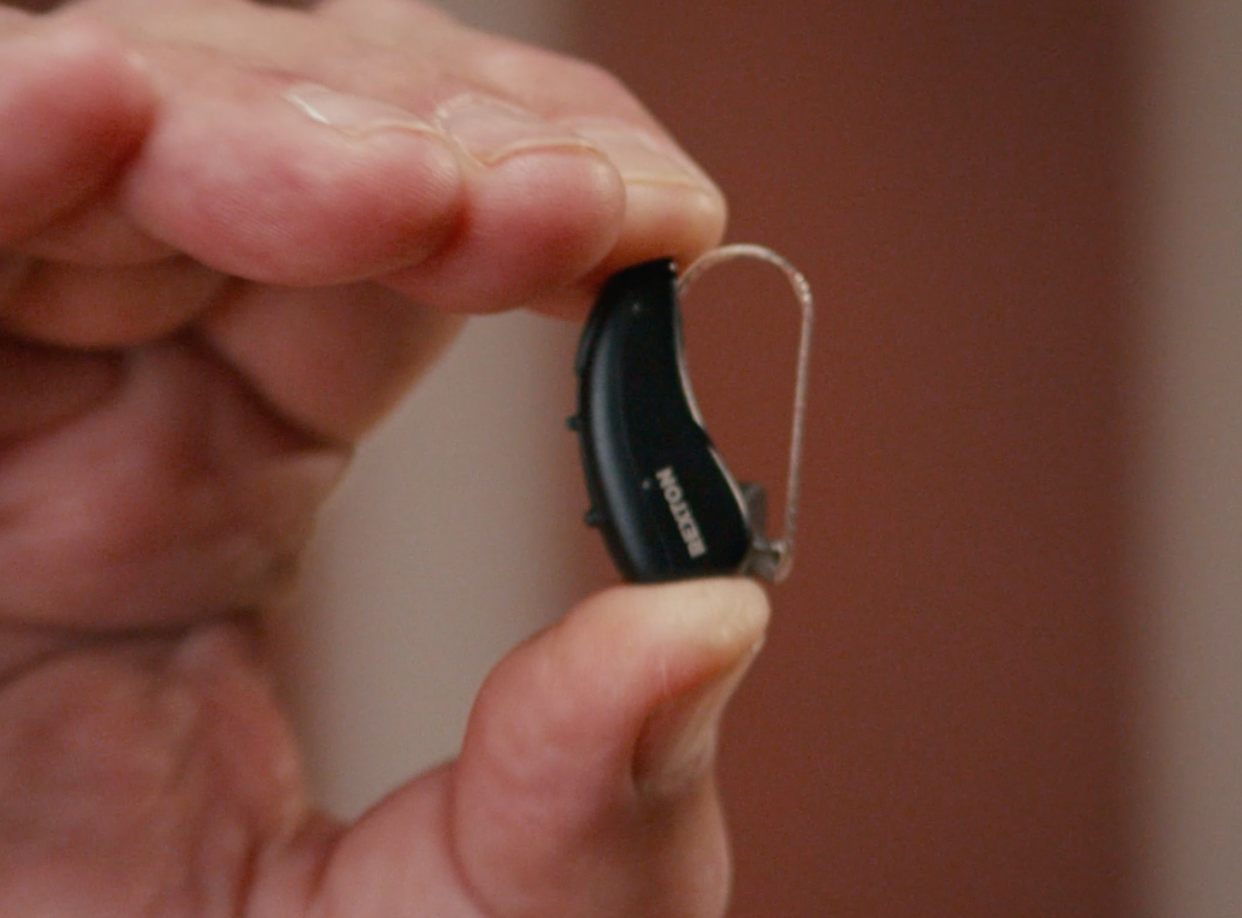
Entry - £1,590 a pair
The entry level hearing aids provided by Rexton are best for those who have a quieter daily life. They are perfect for one-to-one conversations, and straightforward listening. They are modern, rechargeable hearing aids with Bluetooth streaming.Mid - £1,990 a pair
The mid level hearing aids offered by Rexton are strong allrounders, and are better suited for you if you still go out socially. Perfect for individuals who want better speech recognition in moderate noise, whilst avoiding the top tier price.Top - £2,490 a pair
These hearing aids from Rexton offer the fullest automatic processing for restaurants, group conversations, and changing environments. These are top level hearing aids, offered way below the typical high street private pricing.How much do Hearing Aids Cost?
The Rexton R-Li style rechargeable hearing aids we offer are in three technology levels.
The physical hearing aids are similar, however what changes is how much automatic help the hearing aid can give you when entering noisy environments.
We will recommend the level we think you would benefit from based on your audiogram results and how you actually live day-to-day, not from a sales target.
How Does Ear View Determine the Best Hearing Aids for Me?
Ear View determines the best hearing aids for you by matching your audiogram results with your lifestyle, cosmetic preferences, and your fine motor skills. Choosing the right device is a personalised process, tailored to you and your needs.
We evaluate the best device for you based on where you spend most of your time (quiet or loud environments), whether you need additional features like Bluetooth pairing, physical comfort, and how easily you can handle small components.
There are many different hearing aid options, below we’ve provided a brief summary of the different types and who these options are best suited for.
Receiver-in-canal (RIC) & Behind-the-ear (BTE)
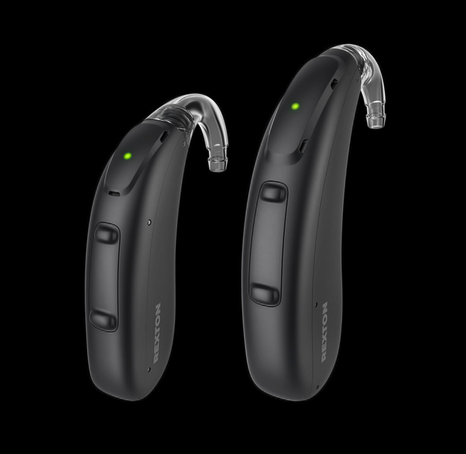
RIC and BTE hearing aids are amongst the most versatile hearing aid devices.
The main body of the hearing aid sits behind the ear, sending audio into the canal.
These devices tend to be best suited to individuals with profound hearing loss, such as age related hearing loss, and noise induced hearing loss.
They tend to have long battery life and advanced features like directional microphones.
In-the-canal (ITC) & In-the-Ear (ITE)
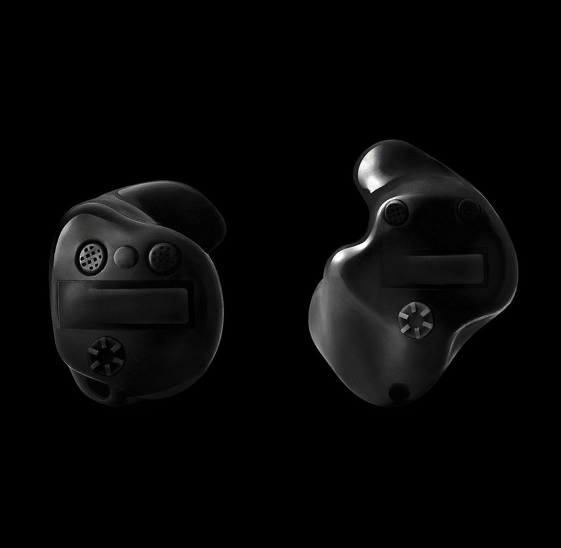
ITC and ITE devices are custom molded devices which sit entirely inside the outer ear bowl or in the canal opening.
These devices are suitable for people with mild to severe hearing loss.
They are compact devices, and best suited to those who wear glasses, masks, or hats frequently, as they have no external components behind the ear.
Completely-in-Canal (CIC) & Invisible-in-Canal (IIC)
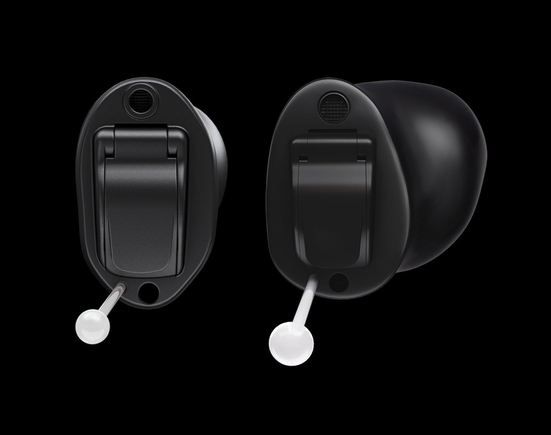
CIC and IIC devices are small, custom fitted shells that sit deeply inside the ear canal, making them virtually invisible to others.
The devices are suitable for mild to moderate hearing loss. They are a popular choice amongst those who want a discreet device.
Hearing Aid FAQs
-
To book a hearing aid fitting appointment from home instead of a clinic visit, please give us a call on 07931 011 648 or email us at info@earview.co.uk.
-
If you need to reschedule your appointment, please let us know as soon as possible by calling us on 07931 011 64 or emailing us at info@earview.co.uk.
-
We have partnered with Rexton as our hearing aid provider.
Rexton hearing aids are backed by a risk-free 30-day trial and money back guarantee.
This allows you to test the devices in your daily life and swap them for a different style or technology level if you are not completely happy with your hearing aids.
-
Yes, you still need a regular hearing test.
Hearing loss is naturally progressive, and because your brain adapts to a slow decline you may not notice when your prescription has changed until you start struggling in conversations again.
We recommend hearing assessments at least once a year to check on your current device configurations, check for any issues, and keep advanced features working optimally.
-
Fixing your hearing stops the daily exhaustion of struggling to understand a muffled word. Before getting help, missing words and talking to people can be a stressful experience. Getting the right hearing aids brings back clearer speech and helps reconnect you back to your family, friends, and the world around you.
-
Getting used to new hearing aids takes time, your brain needs time to relearn how to process forgotten sounds. Start by wearing your hearing aids for several hours a day in quiet environments, like around the house or in your garden, to avoid feeling overwhelmed. Gradually increase the time you spend wearing your hearing aids each day. Reading out loud can help your brain adjust to the sound of your own voice. It is not uncommon for everyday background sounds to feel louder than usual at first.
Within a few weeks, your brain will start to naturally filter out the background noise and your devices will become less noticeable.
-
Jason Curtis is a fully qualified audiologist, specialising in hearing aids, ear irrigation, and microsuction. Prior to setting up Earview, Jason spent years gaining hands-on experience working for a local hearing care provider in Suffolk. He is registered with HCPC (The Health & Care Professions Council) and a member of BSHAA (The British Society of Hearing Aid Audiologists)
-
Choosing to go privately for your hearing aids over the NHS gives you immediate access to the latest technology, unmatched cosmetic options, and a personalised standard of clinical care that the NHS is not currently able to provide.
Patients using the NHS hearing aid fitting service face long waits, the current ESNEFT waiting times for hearing aid fittings have reached 18+ weeks.
At Ear View, we can usually see you within the same week, and get your hearing aids fitted quickly for you.
Furthermore, the technology offered on NHS prescription relies on bulk-issued hardware that can struggle to filter speech in noisy social environments, at Ear View we offer top of the range Rexton Hearing aids with advanced features, and rechargeable devices.
-
Opting for an in person fitting provides greater safety of care and gives you direct access to tailored medical advice, rather than just buying a piece of retail hardware online.
Each individual has a uniquely shaped ear canal and acoustic volume, meaning that devices ordered online often aren't calibrated and adjusted specifically for you, and your needs.
By seeing you in-person, we are able to check your physical ear health, calibrate the devices specifically to suit you, and check if the devices are comfortable for you.
-
Choosing your local, independent audiologist over a chain store ensures your care is entirely focused on your personal hearing health and needs, rather than corporate sales targets or shareholder profits.
Unlike large national chains, where staff turnover can be high and you get stuck on an automated customer service line, never speaking to the same person twice, we guarantee direct communication and continuity with the same specialist.
We live and work in the same community as you.
At Ear View, we care about you and your hearing health.
-
No, you cannot safely or legally get prescription hearing aids without a professional hearing test, even when buying privately.
Under UK regulations set out by the Health and Care Professions Council (HCPC), a private or NHS audiologist is legally required to perform a hearing assessment before dispensing a prescription device. This ensures that the hearing aids you receive are precisely customised to your specific audiogram and programmed for your ears.

If you are unsure if hearing aids could benefit you, or if you already have hearing aids that are not working as you would like, get in touch with Ear View.
We’re here to help you every step of the way. By choosing a local audiologist, you get a personalised experience and direct communication with our award-winning audiologist, Jason Curtis.
We tailor our plans to your exact lifestyle, dynamic hearing needs, and physical comfort. If you are ready to see how hearing aids could improve your hearing and quality of life, book in with Ear View today.