

Absence of Ear Wax - A Guide
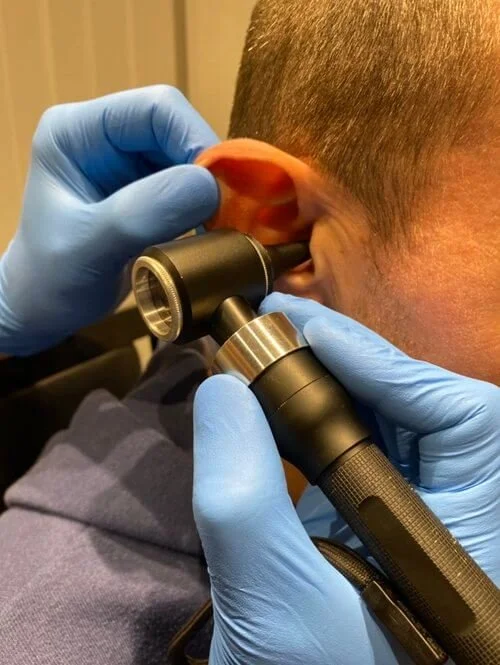
Earwax (Cerumen) is a natural barrier within the ear which acts as a lubricant to the ear canal, and traps bacteria or debris.
However, some people have a lack of earwax which can leave their ears dry and unprotected. This guide will cover the causes, symptoms and how to manage a lack of earwax.
What causes minimal (or no) ear wax in your ears?
The causes of a lack of earwax, can stem from a range of factors, such as aging, over cleaning, or underlying/chronic skin conditions. Below we will cover how these factors affect your earwax.
Aging can have a significant effect on the ears. It is common knowledge that as we age our hearing sensitivity tends to worsen, but it is lesser known that aging can directly affect how much earwax our ears produce, and the consistency of such. As we age the cerumen glands (responsible for the production of earwax) naturally shrink and produce less fluid.
Earwax is a protective emulsion containing fluid secretions from the cerumen glands. A drop in gland activity changes the environment inside the ear and can lead to dry ear canals. Over cleaning can also lead to a lack of earwax or minimal earwax in the ear.
Excessive use of harmful cleaning methods, for example cotton buds, can scrape away wax before it can accumulate leaving the ears dry and flaky.
However, this is not always the case, as excessive use of cotton buds can also result in a build up of wax in the ear, and lead to impaction (an earwax blockage).
Earwax blockages are easily treatable with Microsuction, a service Earview offers to residents of Suffolk and surrounding areas. If you believe you are suffering with a blockage, get in touch to see how we can help you.
Chronic skin conditions can lead to little or no earwax in the ear canals. Some notable conditions that directly affect your earwax production are Eczema, Psoriasis, and Keratosis Obturans.
Eczema
A skin condition that causes inflammation, this inflammation can affect the ear and slow down normal earwax production.
Psoriasis
A condition that involves rapid skin cell build up, if this happens within the ear canal it can disrupt the delicate balance of the ear canal’s lining and lead to a lack of earwax.
Keratosis Obturans
A very rare condition, however sufferers with this may find that trapped skin cells block the cerumen glands entirely which may lead to little, or no, earwax.
Genetics
Finally, genetic factors have been linked to individuals experiencing a lack of earwax. Primarily, that some individuals inherently possess fewer active cerumen glands in the ear.
What are the signs and symptoms of an absence of ear wax?
A lack of earwax in the ear deprives the ear canal of its natural lubrication, waterproofing, and defense against debris, or bacteria. Without this protective barrier, the skin inside the ear canal can become intensely dry.
A dry ear may lead to persistent itching, irritation, scaling, or flaking. As there is a lack of natural moisture in the ear canal, the skin inside may become cracked, leading to sensitive skin, ear pain, and ear tenderness.
When the ear canal contains no earwax it is left unprotected, making the ear highly susceptible to potential secondary complications. Often, those suffering with a lack of earwax can develop external ear infections, such as swimmer’s ear, due to the ear being dry, and water becoming trapped.
Additionally, if the ear becomes flakey and dry this can lead to further complications, such as excess skin flakes becoming clumped together leading to a blockage and muffled hearing.
Is it a bad thing having low ear wax production levels?
Yes. A lack of earwax production is bad. Earwax is a natural substance that serves many functions, such as repelling water, lubricating the ear canal, and trapping debris or bacteria before it reaches the eardrum.
Without such, our ears are left with their natural defences, and the ears become more susceptible to inflammation, infection, and bacteria.
What can I do to improve ear wax production?
You cannot directly force your ears to produce more earwax, but there are some ways you can prevent a lack of earwax from occurring, or protect your ears if you are already suffering from low earwax levels.
Avoid unsafe cleaning methods
Do not use cotton buds, or stick your fingers in your ears, this practice removes healthy layers of wax and oils that your glands manage to produce.
Additionally, the insertion of objects inside the ear can lead to earwax impaction, or cause infection if bacteria is introduced.
Limit the use of headphones or earphones
The use of headphones and earphones does not directly result in a lack of earwax.
However, the wearing of these in-ear devices for prolonged periods of time can scrape away newly formed wax before it can coat the ear canal.
If using earphones or headphones for long periods is a must, you can switch to over the ear headphones to limit risk.
Protect against water and potential irritants
When showering or swimming, try to avoid getting soaps, shampoos, or chlorinated water inside your ear canals. If these substances enter the ear canal it can result in drying out the skin inside the ear.
Treat underlying or chronic skin conditions
Dermatological problems, such as eczema or psoriasis affecting the ear canal, can cause dryness and affect normal cerumen (earwax) production.
The prompt and adequate treatment of these conditions can prevent a lack of earwax, or alleviate any dryness issues occurring.
Consult a GP or ENT specialist
If you are currently suffering with a lack or earwax or any of the associated symptoms, consult your local GP or ENT specialist for potential treatment options.
Treatments for a lack of earwax or oils include steroid treatment, prescriptions for ear safe moisturisers, and lifestyle adjustments (such as changing soaps).
In Summary…
If you have been experiencing the exact opposite of our guide topics, an overproduction or heavy build up as opposed to a complete lack of, then Earview are on hand to help.
We offer Microsuction services to residents of Suffolk and surrounding areas.
Microsuction is a safe, quick, and painless way to get your hearing back to normal, and your ears feeling less blocked. Excessive wax can cause sudden hearing loss, and a feeling of blockage or fullness in the ear.
Get in touch with Earview today to book an appointment and get instant relief from impacted earwax.